Getting an Ontario cannabis retail license approved is only half the job. The store still has to run, and run profitably, which means the point-of-sale system, inventory controls, security setup, and online storefront all need to work together from day one. Retailers who treat these as afterthoughts tend to find out the hard way that inventory errors and slow adaptation cost real money.
A Retail Market Built on Sudden Rule Changes
Ontario's cannabis retail sector has never had the luxury of a stable operating environment. Stores opened in January 2019 under a lottery system with in-person sales as the only option. Click-and-collect arrived in November 2019, letting customers pay online and pick up in store. Then came the early pandemic delisting of cannabis as an essential service, a quick reversal, a brief window of curbside pickup and home delivery, and finally the return of the Ontario Cannabis Store's monopoly on delivery once the emergency order lapsed in July 2020. Retailers who had already built flexible systems adapted fast. Those trying to build delivery infrastructure from scratch inside a three-month window mostly didn't stand a chance.
Why Point-of-Sale Choice Is a Compliance Decision, Not Just a Sales Tool
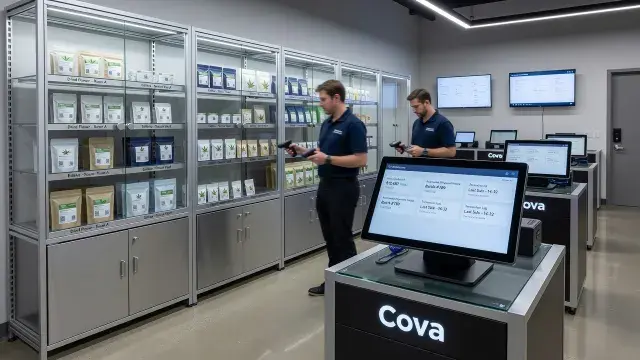
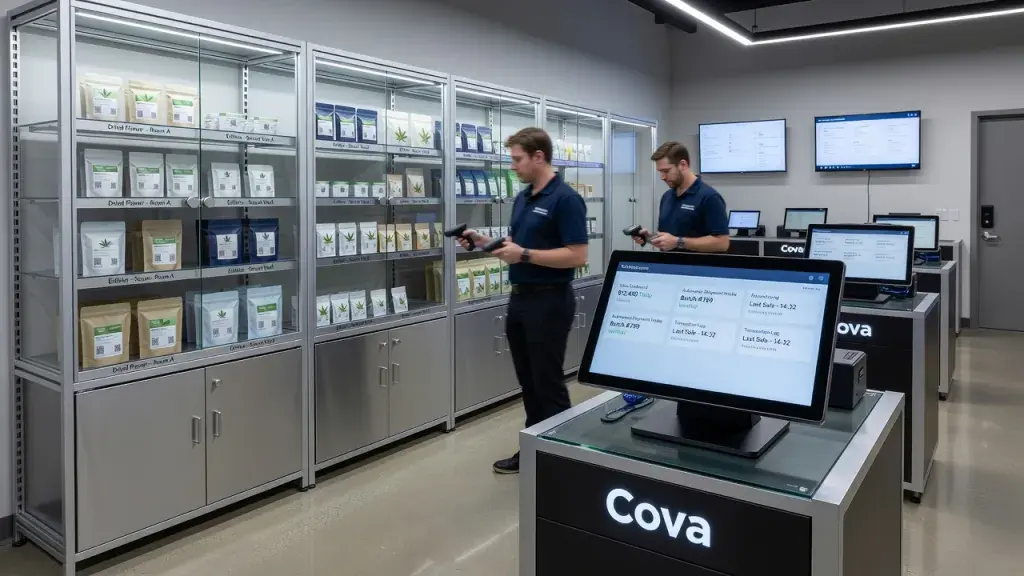
A POS system in cannabis retail carries more weight than it does in a typical retail store. Inventory inconsistencies that would be a minor annoyance at a clothing shop become a regulatory problem here - the kind that can trigger fines or license suspension. The AGCO's pre-authorization inspection form asks applicants to name their POS provider, and the regulator maintains a list of systems it has already vetted: Cova, Greenline, Shopify/Netsuite, LeafLogix, ALC-POS (L-BOSS), GlobalTill, Lightspeed, TechPOS, ACCEO Solutions/Smart Vendor, and Barnet POS. Choose something outside that list, and the applicant has to document, in detail, how sales reports, inventory tracking, transaction records, federal reporting, and destruction logs will be handled without the built-in assurance those pre-approved systems offer.
The practical differentiator among vetted providers isn't whether they track sales - they all do that. It's execution: automated intake of new inventory shipments, segmentation of stock by room or product type, batch scanning, and how well the system talks to everything else in the store, from analytics platforms to payment terminals.
Sales Data, Online Ordering, and Security Aren't Separate Problems
Sales data only becomes useful once someone actually looks at it. Platforms like Headset pull sales information out of the POS system and turn it into readable trends - what's moving, what's sitting on the shelf, whether a slow-selling batch is worth destroying to make room for something that actually turns over. Given that shelf space and storage are limited and cannabis product has a shelf life tied to potency and freshness, that kind of ongoing analysis has direct financial consequences.
Online ordering platforms such as Dutchie extend a store's reach past whoever happens to walk by, while still operating within the click-and-collect framework that Ontario currently permits - home delivery through private retailers remains off the table under existing rules. On the loss-prevention side, tools like Solink pair time-stamped video footage with POS transaction data, which matters because most inventory loss in a cannabis store traces back to staff error or internal theft rather than shoplifting, given that product isn't accessible to customers before purchase.
- POS accuracy is tied directly to AGCO compliance, not just day-to-day operations
- Non-vetted POS systems require extra documentation on reporting, tracking, and destruction logs
- Sales analytics only add value if operators actually act on the reporting
- Click-and-collect remains available; home delivery by private retailers does not
- Security and sales data together are the main tool for investigating inventory shrinkage
None of these systems function well in isolation. A POS platform that doesn't integrate with analytics, online ordering, and security creates blind spots - and in a regulated market where inventory discrepancies carry licensing consequences, blind spots aren't a minor inconvenience. They're the sort of thing an AGCO inspection finds.