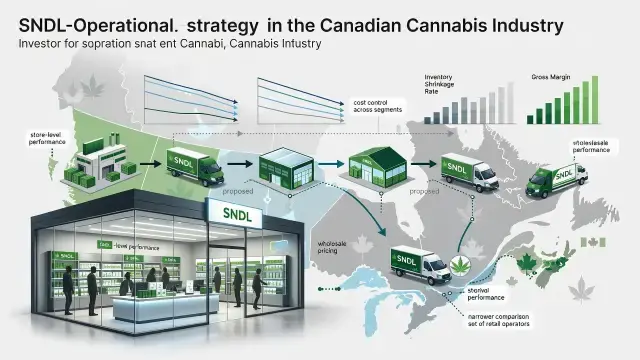
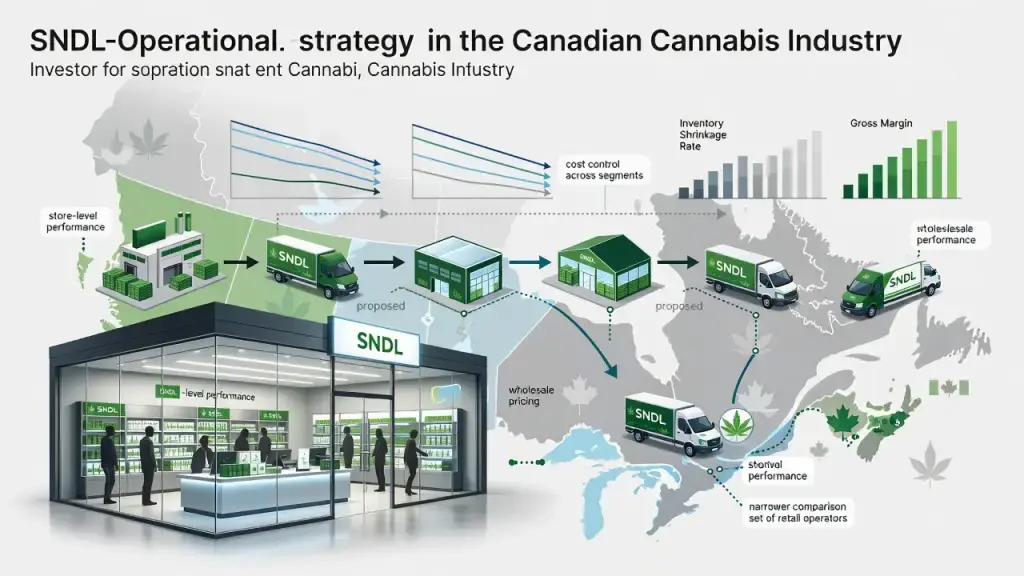
SNDL sits at an unusual intersection in the Canadian cannabis stocks group: it runs retail stores, distributes product on a wholesale basis, and has spent years trying to wring cost out of an operation that spans both ends of the supply chain. The latest disclosure touches that combination directly, pointing to store network activity, product distribution and cost control as the operative areas. That is a narrower claim than it might first appear, and it's worth treating it that way.
Why the Business Mix Matters Here
Most Canadian cannabis stocks operate in one lane - cultivation, wholesale, or retail - not all three at once. SNDL's structure means a change in one segment doesn't automatically translate into a change across the company. A retail network update, for instance, speaks to store traffic, SKU management and point-of-sale performance at the consumer level. A distribution update speaks to wholesale pricing, supplier relationships and how product batches move from licensed producers into stores. Cost control cuts across both, but the mechanisms differ: labor and lease costs on the retail side, logistics and inventory carrying costs on the distribution side. Reporting that blurs these distinctions risks overstating what a single disclosure actually confirms.
What an Operating Update Does and Doesn't Prove
An operating update is not the same thing as a financial turnaround. It can confirm that stores are open, that distribution volumes moved in a particular direction, or that management applied a specific cost measure. What it cannot do, on its own, is establish a durable trend. That takes comparable performance measures across multiple reporting periods - same-store sales trends, gross margin by segment, inventory shrinkage rates, and wholesale volume against prior quarters. In practice, though, the market often reacts to the announcement itself rather than waiting for that comparable data. That's a habit worth resisting when reading any single disclosure from a vertically exposed operator like this one.
Reading the Canadian Cannabis Stocks Comparison Correctly
The broader Canadian cannabis stocks category includes companies with meaningfully different business models - some purely cultivation and wholesale, others retail-only, a few with international distribution arms. Comparing SNDL's store and cost metrics against a cultivation-heavy peer tells you very little, because the cost structures and revenue drivers don't line up. The more useful comparison set is narrower: operators with their own retail footprint, their own distribution arrangements, and similar exposure to Canadian excise tax and provincial wholesale rules. Within that narrower group, store count, product availability across the wholesale menu, and demonstrated cost reductions carry real weight.
What to Watch in Future Disclosures
For operators, investors and suppliers tracking SNDL, the useful signals are specific rather than general:
- Whether store-level performance is reported with comparable metrics across periods, not just as a snapshot
- Whether distribution volume changes are tied to named product categories or supplier relationships, or left vague
- Whether cost control measures are quantified against a prior baseline, or described only in qualitative terms
- Whether any proposed changes to store network or distribution remain conditional on regulatory or commercial approval
Where a plan is still conditional, it should be read as proposed, not completed. That distinction matters more in cannabis retail than in most sectors, given how often provincial licensing timelines and regulatory approvals shift the pace of execution. A clear separation between what has happened, what management intends, and what remains unresolved is the only honest way to assess whether this latest disclosure changes anything about SNDL's underlying operations - or simply describes them.