
Vermont's adult-use cannabis market is still young compared to neighbors like Massachusetts, but operators there are running into the same operational squeeze every regulated state eventually hits: thin margins, heavy compliance overhead, and a banking system that treats cannabis retail as a special case. Dispensary owners in the state are discovering that the technology stack behind the counter matters just as much as what's on the shelf.
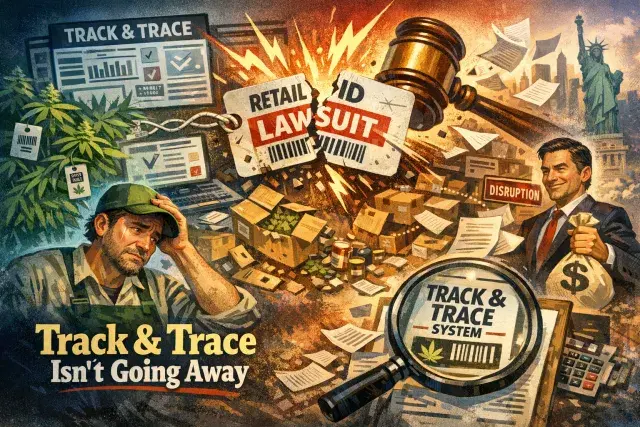
Point-of-sale infrastructure sits at the center of that squeeze. A retailer's POS system isn't just a cash register anymore - it has to talk to the state's seed-to-sale tracking system, log every transaction for tax purposes, flag age verification, and reconcile inventory against what's actually moving off the shelf. Vermont's cannabis control board expects that data trail to be clean, and a mismatch between what's tracked and what's sold can trigger a compliance review fast. That's part of why more operators are evaluating a dedicated cannabis point of sale system vermont retailers can configure specifically around state reporting requirements, rather than retrofitting generic retail software that wasn't built with METRC-style tracking in mind.
The stakes go beyond convenience. A dispensary that can't produce a clean compliance log during an audit risks license suspension, not just a fine. And because cannabis businesses still can't access many mainstream banking services under federal law, cashless payment workarounds and cash-heavy operations create their own shrinkage and reconciliation headaches. A POS system that automates tax calculation, batch tracking, and reporting reduces the number of places where human error - or worse, deliberate diversion - can slip through.
Why Compliance Technology Is Now a Margin Issue
Cannabis retailers operate under Section 280E of the federal tax code, which bars standard business deductions available to virtually every other retail category. That reality makes operational efficiency non-negotiable. Every hour a budtender spends manually reconciling inventory instead of serving customers is a cost the business absorbs without a corresponding tax break. Software that automates compliance logging, wholesale menu updates, and lab-testing documentation isn't a luxury upgrade; it's one of the few levers operators have to protect margin in a heavily taxed, cash-constrained business.
Lab testing and certificate of analysis tracking add another layer. Vermont requires potency and contaminant testing before product reaches a dispensary shelf, and that data has to be retrievable at the point of sale so staff can answer customer questions about a batch's COA without digging through paper files. Systems that integrate testing records directly into inventory management cut down on the kind of manual lookup that slows a sales floor and increases the odds of a labeling mistake reaching a customer.
What This Means for Operators Weighing New Markets
For multi-state operators eyeing Vermont's smaller but growing market, the lesson from more mature states like Colorado and Massachusetts is straightforward: retrofitting compliance after opening day is more expensive than building it in from the start. Vermont's regulators are still refining licensing rules and social equity provisions, and that regulatory movement means retail systems need to be adaptable, not locked into a single reporting format.
Fair enough - no single technology decision will insulate a dispensary from every compliance risk. But operators who treat point-of-sale infrastructure as core business strategy, rather than back-office plumbing, tend to spend less time firefighting audits and more time managing the parts of the business that actually grow revenue.