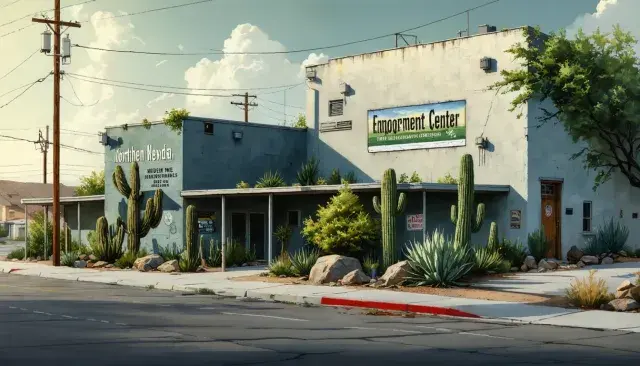
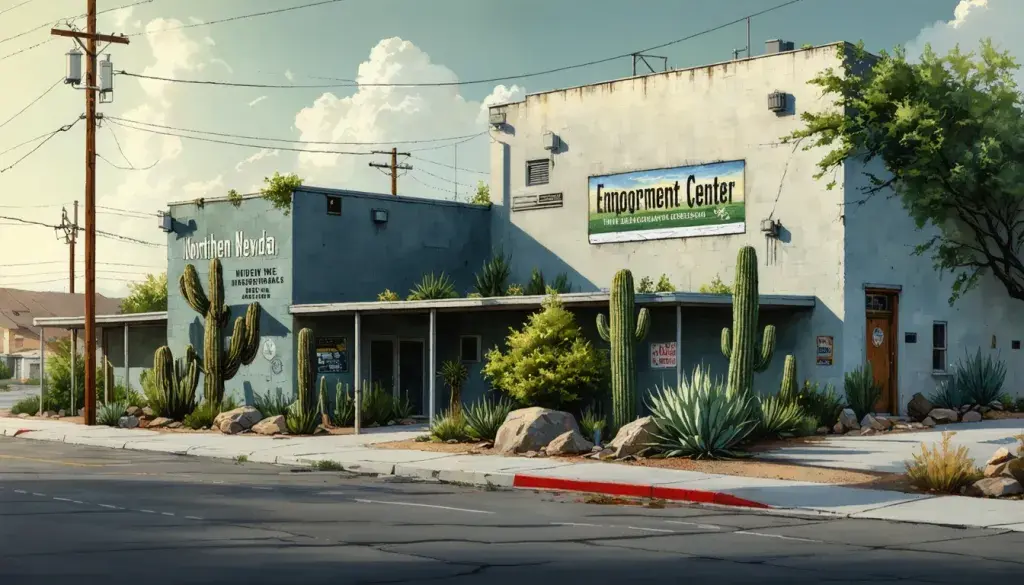
In Reno, Nevada, The Empowerment Center—the region's only state-licensed halfway house—is urging the City Council to reject a marijuana dispensary license for a site just 15 feet away. With a vote set for September 11, this clash highlights tensions between cannabis expansion and addiction recovery efforts, potentially jeopardizing residents' sobriety at a critical juncture.
The Core Conflict and Key Players
Thrive Cannabis Marketplace, already operating three dispensaries in Southern Nevada, seeks to open at 7300 S. Virginia Street in a former Butcher Boy meat store. The Empowerment Center, housing 24 residents since 2010, warns that proximity to cannabis sales could trigger relapses. Center leaders emphasize how even the dispensary's odor might overwhelm those in early recovery, compromising hard-won progress.
- Distance: Only 15 feet separates the facilities.
- Council vote: Scheduled for September 11.
- Thrive's status: Lists Reno site as "coming soon" online.
Regulatory Framework and Loopholes
Reno and state laws impose strict buffers for marijuana dispensaries—away from schools (1,000 feet), community facilities (300 feet), residential zones, and casinos (1,500 feet)—but halfway houses fall outside these protections. An independent survey confirmed the site complies technically, as the center isn't zoned residential. Yet city code empowers the council to deny licenses if they threaten public welfare, health, or safety, provided there's substantial evidence.
This gap underscores a broader post-legalization challenge: while Nevada's 2017 cannabis ballot measure spurred economic growth, it overlooked vulnerabilities in substance abuse treatment infrastructure. Northern Nevada lacks alternatives, amplifying the stakes for The Empowerment Center's clients.
Health Risks and Recovery Science
Proximity to dispensaries poses real threats grounded in addiction neuroscience. Environmental cues like marijuana scent activate the brain's reward pathways, heightening craving and relapse risk—studies show up to 60% of individuals in early recovery face environmental triggers as primary relapse factors. For halfway house residents, often weeks into sobriety, such temptations could derail rehabilitation, increasing overdose risks amid Nevada's rising fentanyl crisis intertwined with polysubstance use.
Supporters advocate expanding buffers to 600 feet around treatment centers, aligning with public health best practices that prioritize "recovery-friendly" zoning in legalized states like Colorado and California.
Broader Implications and Path Forward
Beyond Reno, this dispute reflects nationwide friction between cannabis commerce and recovery ecosystems. Dispensary proliferation boosts tax revenue—Nevada collected over $50 million in 2023—but at what cost to vulnerable populations? A council denial could set precedent for protective policies, while approval might force the halfway house to relocate, straining limited resources.
Advocates urge the council to affirm recovery priorities, potentially reshaping urban planning to safeguard sobriety amid expanding legalization.