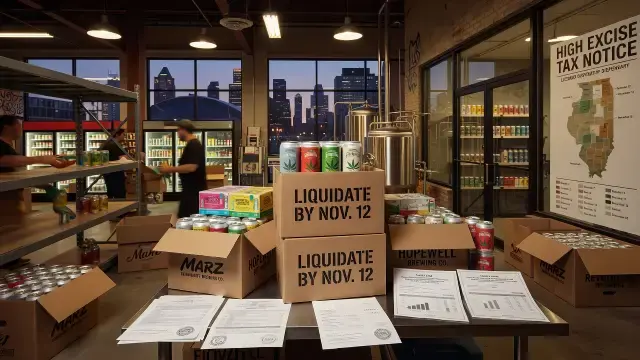
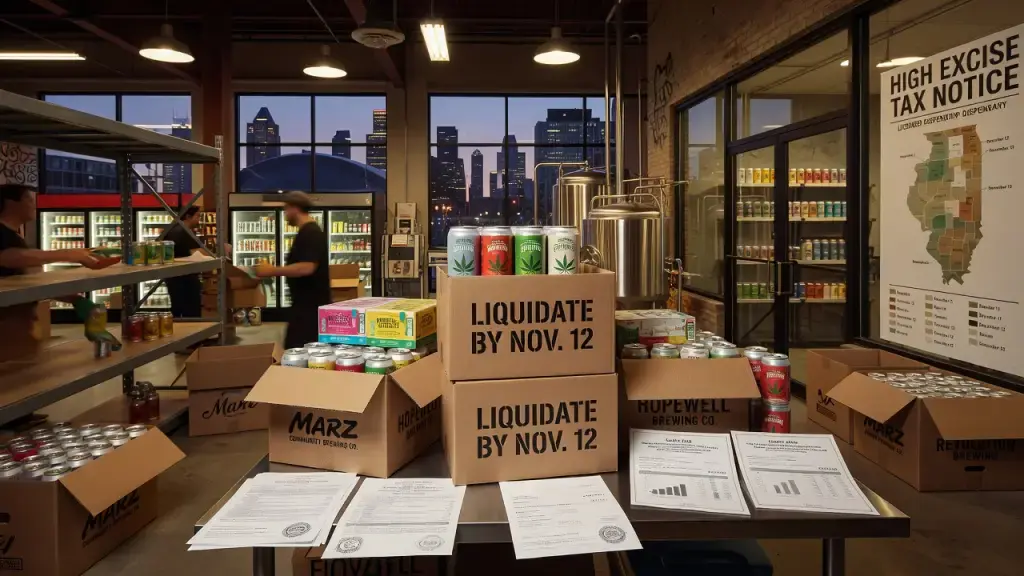
Illinois is shutting the door on intoxicating hemp products nearly a month before the rest of the country, and Chicago's hemp beverage economy is bracing for impact. Starting Nov. 12, a state law signed by Gov. JB Pritzker this past June will push THC-infused drinks, edibles and other hemp-derived products above a strict potency threshold out of grocery stores, bars and taprooms and into licensed cannabis dispensaries - if they can be sold at all. For breweries, bottle shops and manufacturers who built real revenue around this category, the calendar has become the enemy.
A federal deadline, then a tighter state one
The mechanics matter here. Hemp-derived THC products have operated for years in a gray zone created by the 2018 Farm Bill, which defined legal hemp as containing less than 0.3% THC by dry weight - a threshold that, through extraction and infusion techniques, allowed plenty of psychoactive punch in a can of seltzer. President Trump's 2025 spending bill closed that loophole at the federal level, capping containers at 0.4 milligrams of THC and effectively killing the business model for high-potency hemp drinks nationwide. Washington later pushed its compliance deadline to Dec. 11. Illinois didn't follow. State regulators kept Nov. 12, leaving local manufacturers racing a clock that competitors in neighboring states don't face for another month. That's not a small distinction for a business with thin margins and short shelf life on perishable inventory.
Breweries lose a lifeline they built a business around
For companies like Marz Community Brewing Co., Hopewell Brewing Co. and Revolution Brewing, hemp-derived THC beverages weren't a side project - they became core revenue. Marz founder Ed Marszewski has said the category rescued the company after the pandemic and now accounts for nearly half its production. Hopewell built out a full line under its Choom brand and expanded into co-manufacturing for other labels. Revolution already paused its Reverb THC line over the summer. Now all three face the same blunt reality: liquidate inventory, cut staff, or find a new regulatory pathway that doesn't currently exist. Marszewski says layoffs are coming simply because there won't be enough income to cover payroll once the product line disappears from shelves.
The frustration isn't just about lost sales. It's about market access. Under the new rules, any hemp product exceeding the federal potency threshold must be sold through licensed dispensaries and taxed like cannabis - in Chicago, that means excise rates between 22% and 37% depending on potency, among the highest in the country. But dispensaries, as several operators point out, aren't built to carry beverages. Shelf space and budroom inventory systems are optimized for flower, pre-rolls, vapes and edibles; infused drinks typically make up roughly 1% of dispensary sales nationally. Vertically integrated operators also tend to prioritize house-made products on their own shelves, which leaves independent beverage brands with little realistic path into the regulated channel even if they wanted one.
New licensing requirements reshape the supply chain
Illinois is also standing up a new regulatory structure through the Department of Agriculture. Any business handling, processing or extracting hemp, or manufacturing hemp-derived cannabinoid products, will need a hemp product manufacturing license, which requires an application, on-site inspection and a $5,000 fee. The agency says it's processing applications on a rolling basis with no set deadline, which gives some operators a narrow lane to stay compliant - but licensing alone doesn't solve the potency ceiling or the retail distribution problem.
Some ingredient suppliers, including Humboldt Park-based Perfectly Dosed, are already weighing whether to shift warehousing and extraction capacity to states like Colorado, which have safe harbor provisions more favorable to hemp processors. That's a meaningful signal: capital expenditure decisions are being made around where the regulatory ground feels stable, not necessarily where the market demand is strongest. Illinois may have had a shot at becoming a regional hub for hemp beverage production; that momentum now looks fragile.
Venues, retailers and the regulated cannabis market adjust
Large venues built real partnerships around these products. The United Center and the Salt Shed were among the first major arenas and music venues in the country to carry THC-infused drinks, working with Green Thumb Industries and its Rythm subsidiary. Both have confirmed they'll comply with the Nov. 12 cutoff, even as they express hope for a future regulatory framework - language that suggests this isn't the end of the conversation, just a pause forced by statute.
Meanwhile, licensed dispensary operators see a different kind of opportunity. Multi-state operators like Verano Holdings point to Ohio, where a hemp ban implemented earlier this year correlated with a notable jump in regulated dispensary receipts, as a preview of what could happen in Illinois: consumers who lose access to hemp-derived products on store shelves may simply migrate to licensed cannabis retail instead. For dispensary operators, that's a potential tailwind. For independent retailers like South Loop Market, which dedicated cooler space to infused beverages representing roughly a fifth of its wine and spirits sales, it's a straightforward loss of a profitable, fast-growing category with no clear replacement yet in sight.
What happens next likely depends on whether Illinois lawmakers create a distribution carve-out through licensed liquor establishments, an option alcohol distributors and some brewers are pushing for. Until then, compliant packaging, lab testing and COA documentation that once applied to hemp beverages sold at retail will instead apply - if these products survive in any form - inside the state's already tightly regulated adult-use cannabis system.