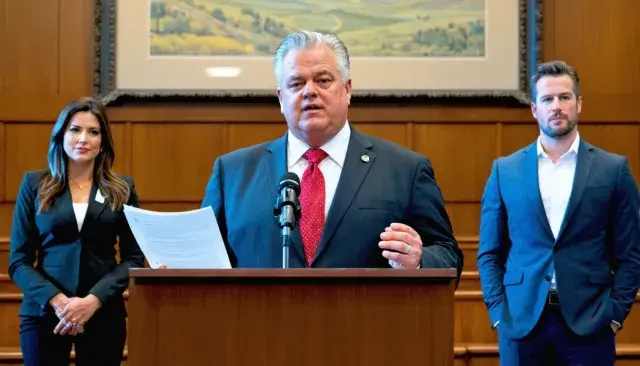
Missouri's ban on intoxicating hemp products takes effect Nov. 12, but a carve-out written into the state law means hemp-derived THC beverages specifically could keep selling past that date - provided Congress finishes the job on a short-term federal funding bill. The Senate approved the measure in an overnight vote Saturday, pushing back the federal deadline on intoxicating hemp THC products to Dec. 11. The bill now needs House approval and the president's signature before Missouri retailers can breathe any easier.
The mechanics here matter for anyone running a hemp storefront, gas station cooler program, or multi-state beverage line. Missouri's law, signed by Gov. Mike Kehoe this spring, was built to mirror the federal ban Congress passed last year - but lawmakers left one narrow exception. If Congress delays the federal ban, Missouri's own ban still kicks in for everything except intoxicating beverages. That's a strange bit of statutory drafting, but it's the reason a can of THC seltzer might survive on a shelf while a gummy from the same shop gets pulled. For operators trying to track which SKUs stay compliant under a moving deadline, the kind of inventory visibility that comes from a well-configured point-of-sale system isn't optional anymore - it's the difference between a clean compliance log and a shelf full of liability. Retailers watching how other adult-use markets have handled sudden regulatory pivots know that systems built for one state's rules rarely translate cleanly to another; that's part of why platforms offering cannabis POS for North Carolina dispensaries build state-specific compliance logic rather than a one-size-fits-all product catalog.
A Lawsuit Running Parallel to the Legislative Clock
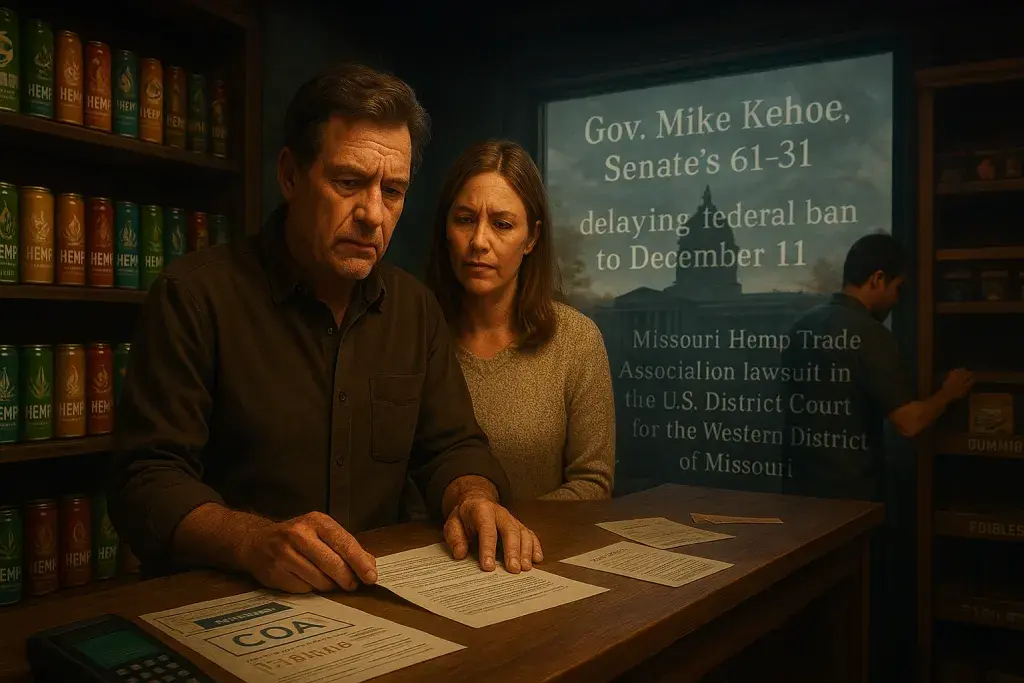
The Missouri Hemp Trade Association isn't waiting on Congress alone. The group, along with a coalition of hemp businesses, filed suit last month in the U.S. District Court for the Western District of Missouri, arguing the state's definitions of hemp and marijuana are unconstitutionally vague. That's not a minor technical gripe - vague statutory language creates real operational risk for retailers who need clear thresholds to know what's legal to stock, what needs to come off the wholesale menu, and what could trigger enforcement. Jay Patel, the association's president, called the Senate's bipartisan 61-31 vote a "good sign," but he was blunt that federal action "is not going to fully solve our problems in Missouri." Fair enough. A federal delay buys time; it doesn't rewrite state law.
What This Means for Beverage Producers Versus Everyone Else
The split outcome here creates a genuinely awkward business position for hemp companies that sell across product categories. John Grady, who owns Slaphappy Hemporium in Rosebud with his wife Kara, put it plainly: the company started as a beverage producer, so a delay helps that side of the business. But their edibles line - and any other non-beverage product - faces the Missouri ban regardless of what happens in Washington. Customers, sensing the shift, have already started stocking up on items they know are going away. That's a predictable retail pattern whenever a hard compliance deadline looms: a short-term sales bump followed by a category disappearing from the case entirely.
The Bigger Picture for Hemp Retail Compliance
What's striking here isn't just the patchwork of state and federal timing - it's how much operational whiplash a single legislative session can create for a retail category still finding its regulatory footing. Operators are watching a Dec. 11 deadline now instead of Nov. 12, but that's a reprieve, not a resolution. Hemp businesses in Missouri and elsewhere would do well to treat this window as a chance to tighten lab testing protocols, confirm COA documentation on every batch, and make sure packaging and age-verification practices hold up regardless of which ban ultimately lands. Regulatory delay is not the same as regulatory clarity, and the businesses that survive this stretch will be the ones that planned for both outcomes.